
Common gutter problems Charlotte County homeowners face often stem from Florida’s heavy rainfall, high humidity, and fast growing vegetation. Gutters play a critical role in protecting homes throughout Charlotte County by managing rainwater, protecting roofs and siding, and helping prevent foundation damage. However, local weather conditions create unique challenges that cause gutter issues to appear more frequently than many homeowners expect.
From heavy rain to fast growing vegetation, Charlotte County homes experience several common gutter issues that can lead to costly repairs if left unaddressed. Understanding these problems is the first step toward preventing damage and extending the life of your gutter system.
Clogged Gutters from Debris and Vegetation
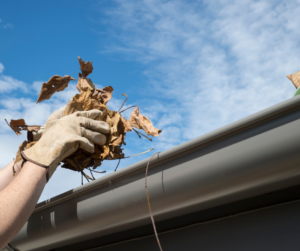
One of the most common gutter problems in Charlotte County is clogging. Leaves, pine needles, seed pods, roof granules, and storm debris easily collect inside gutters and downspouts.
Florida’s frequent rain washes debris directly into the gutter system, while storms pack it tightly into corners and drains. Over time, this buildup blocks water flow and causes gutters to overflow during heavy rain.
Even homes without large trees can experience clogs due to nearby vegetation or debris carried by wind. Once clogged, gutters stop directing water away from the home, leading to moisture problems around the roofline and foundation.
Overflowing Gutters During Heavy Rain
Charlotte County receives intense rainfall, especially during summer storms and hurricane season. When gutters are clogged or undersized, they cannot handle the volume of water moving off the roof.
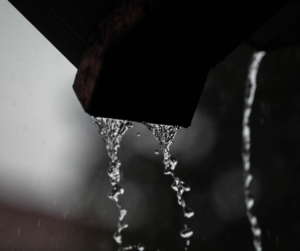
Overflowing gutters allow water to spill over the edges and run down siding or pool near the foundation. This can cause staining, erosion, and long term structural issues.
Overflow is often one of the first visible signs of a gutter problem, but by the time it happens, damage may already be developing behind the scenes.
Sagging or Pulling Away from the Roof
Another frequent issue homeowners face is sagging gutters. This usually happens when gutters are weighed down by wet debris or standing water.
Florida’s humidity keeps debris heavy, especially after rain. Over time, the added weight stresses gutter brackets and fasteners. Gutters may begin to sag, tilt, or pull away from the fascia board.
If not corrected, sagging gutters can detach completely, requiring expensive repairs or full replacement.
Leaking Seams and Joints
Traditional sectional gutters have seams that can weaken over time. In Charlotte County, constant exposure to sun, heat, rain, and humidity accelerates wear on these connection points.
As seams deteriorate, small leaks form. These leaks may drip water directly onto fascia boards or siding, leading to rot and mold growth. Because leaks are often subtle, they can go unnoticed until visible damage appears.
Seamless gutters reduce this risk, but even they require regular inspection to ensure end caps and connections remain secure.
Downspout Blockages and Drainage Issues
Downspouts are just as important as the gutters themselves. When downspouts become blocked, water has nowhere to go.
Blockages often occur when debris is pushed into the downspout opening during storms. Once clogged, water backs up and causes the entire gutter system to overflow.
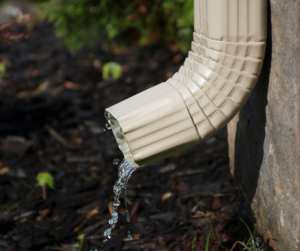
Improper downspout placement can also create drainage problems. Water discharged too close to the foundation can erode soil and increase the risk of foundation damage.
Water Damage to Fascia and Roof Edges
Clogged or leaking gutters allow water to sit against wood components of the home. Over time, this leads to rot in fascia boards and damage to roof edges.
In Charlotte County’s warm climate, moisture related damage progresses quickly. Mold and mildew can develop, weakening materials and creating additional repair concerns.
Once fascia boards are damaged, gutter attachment points weaken, making future gutter problems more likely.
Mosquitoes and Pest Activity
Standing water trapped in clogged gutters creates ideal breeding conditions for mosquitoes, which is a serious concern in Charlotte County where mosquito activity remains high for much of the year.
Beyond insects, clogged gutters can attract birds, rodents, and other pests searching for nesting areas. Once inside the gutter system, these pests can worsen blockages and cause additional damage.
Routine gutter cleaning helps remove standing water, limits pest activity, and reduces conditions that allow infestations to develop around the home. For persistent mosquito or pest issues, homeowners may also benefit from contacting a local pest control company in Charlotte County for targeted treatment and prevention.
Damage from Storms and High Winds
Charlotte County is no stranger to tropical storms and hurricanes. High winds can bend gutters, loosen fasteners, or tear sections away from the home entirely.
Storm debris can also dent or puncture gutters, reducing their ability to function properly. After severe weather, gutter inspections are especially important to catch hidden damage early.
Ignoring storm related gutter damage often leads to bigger problems during the next heavy rainfall.
Why Regular Maintenance Matters in Charlotte County
Many of these common gutter problems are preventable with routine maintenance. Regular gutter cleaning removes debris before it causes clogs, overflow, or structural stress.
Inspections allow small issues, such as loose brackets or minor leaks, to be addressed before they turn into expensive repairs. In Florida’s rainy climate, proactive maintenance is far more cost effective than reactive repairs.
Most Charlotte County homes benefit from gutter cleaning at least two to four times per year, depending on tree coverage and storm exposure.