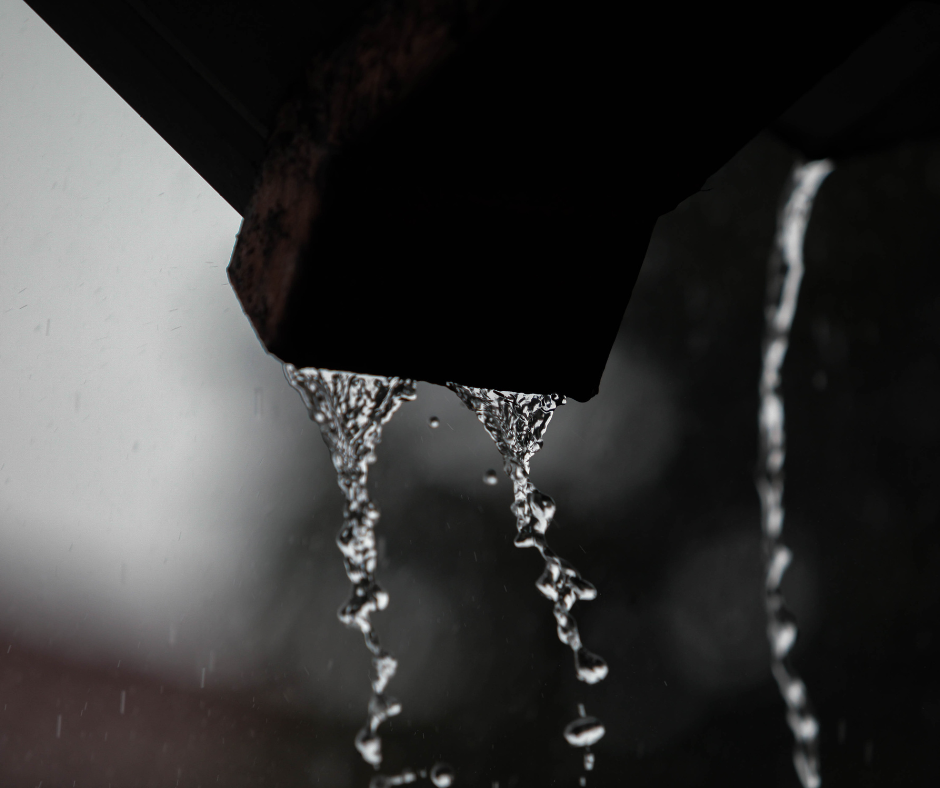
Heavy rain is common in many regions, especially in Florida, where sudden storms can dump large amounts of water in a short time. When your gutters are working properly, they direct that water safely away from your home. But when gutters overflow during heavy rain, the consequences can quickly become serious.
Many homeowners overlook early warning signs, assuming overflowing water is normal during storms. In reality, it is often a sign of a problem that needs immediate attention. Understanding what happens when gutters overflow during heavy rain can help you prevent costly damage and protect your home.
Why Gutters Overflow During Heavy Rain
Gutters are designed to handle a certain volume of water. When that limit is exceeded or when the system is compromised, overflow occurs.
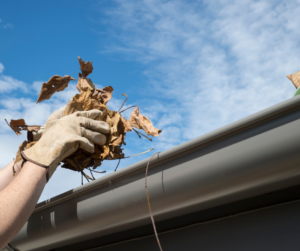
The most common causes include clogged gutters, improper installation, or gutters that are too small for the roof area. Leaves, debris, and dirt can block water flow, causing it to spill over the edges instead of moving through the downspouts.
In some cases, poor slope or loose sections prevent water from flowing correctly. When gutters are not installed professionally, even moderate rain can lead to overflow.
Foundation Damage and Soil Erosion
One of the most serious consequences when gutters overflow during heavy rain is damage to the foundation. Instead of being directed away, water pools around the base of the home.
Over time, this excess moisture can weaken the soil and cause it to shift. This leads to foundation cracks, uneven settling, and structural instability. Repairing foundation damage can be extremely expensive and may significantly reduce property value.
Overflowing gutters also wash away soil, creating erosion that can affect landscaping and expose the foundation.
Roof and Fascia Damage
When gutters overflow, water often backs up onto the roofline. This can lead to damage in areas that are not designed to handle standing water.
Fascia boards, which support the gutter system, can begin to rot due to constant moisture exposure. Roofing materials may also deteriorate faster, especially if water is repeatedly forced underneath shingles.
Over time, this can result in leaks inside the home, requiring roof repairs or even replacement.
Exterior Wall and Siding Issues
Overflowing gutters can cause water to run down the sides of your home. This constant exposure can lead to staining, mold growth, and damage to siding materials.
In painted homes, water streaks can ruin the appearance of the exterior. In more severe cases, moisture can penetrate the walls, leading to hidden damage inside the structure.
This not only affects the look of the home but also its long-term durability and value.
Basement Flooding and Interior Damage
When water is not properly directed away from the home, it often finds its way inside. One of the most common results of gutters overflow during heavy rain is basement flooding.
Water can seep through foundation cracks or accumulate around entry points, leading to interior damage. This can include ruined flooring, damaged drywall, and mold growth.
Once moisture enters the home, repairs become more complex and expensive. Preventing this type of damage starts with proper gutter function.
Landscaping Destruction
Overflowing gutters can quickly destroy landscaping. Water pouring over the edges creates strong runoff that washes away mulch, soil, and plants.
Flower beds can become flooded, grass can erode, and pathways may become uneven or muddy. This reduces curb appeal and adds additional repair costs for homeowners.
A properly functioning gutter system helps maintain the integrity of your outdoor spaces.
Increased Risk of Mold and Mildew
Excess moisture around the home creates the perfect environment for mold and mildew growth. When gutters overflow during heavy rain, water can accumulate in areas that remain damp long after the storm ends.
This can lead to mold on siding, under roofing materials, and even inside the home. Mold not only damages surfaces but can also pose health risks to occupants.
Controlling moisture is essential for maintaining a safe and healthy living environment.
How to Prevent Gutters from Overflowing
Preventing overflow starts with regular maintenance and proper installation. Cleaning gutters regularly helps remove debris that blocks water flow.
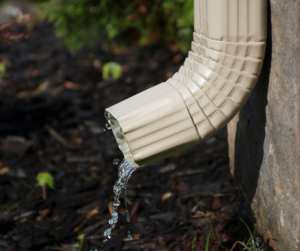
It is also important to ensure that gutters are properly sized and installed with the correct slope. Downspouts should be positioned to direct water well away from the home.
Professional gutter installation and maintenance services provide the best long-term solution. A well-designed system can handle heavy rain more effectively and reduce the risk of overflow.
If your gutters overflow during heavy rain, it is important to address the issue quickly. Ignoring the problem can lead to more severe damage over time.
Signs that you need professional help include frequent overflow, sagging gutters, visible leaks, or water pooling around your foundation. A professional can assess the system and recommend the right solution, whether it is cleaning, repair, or replacement.