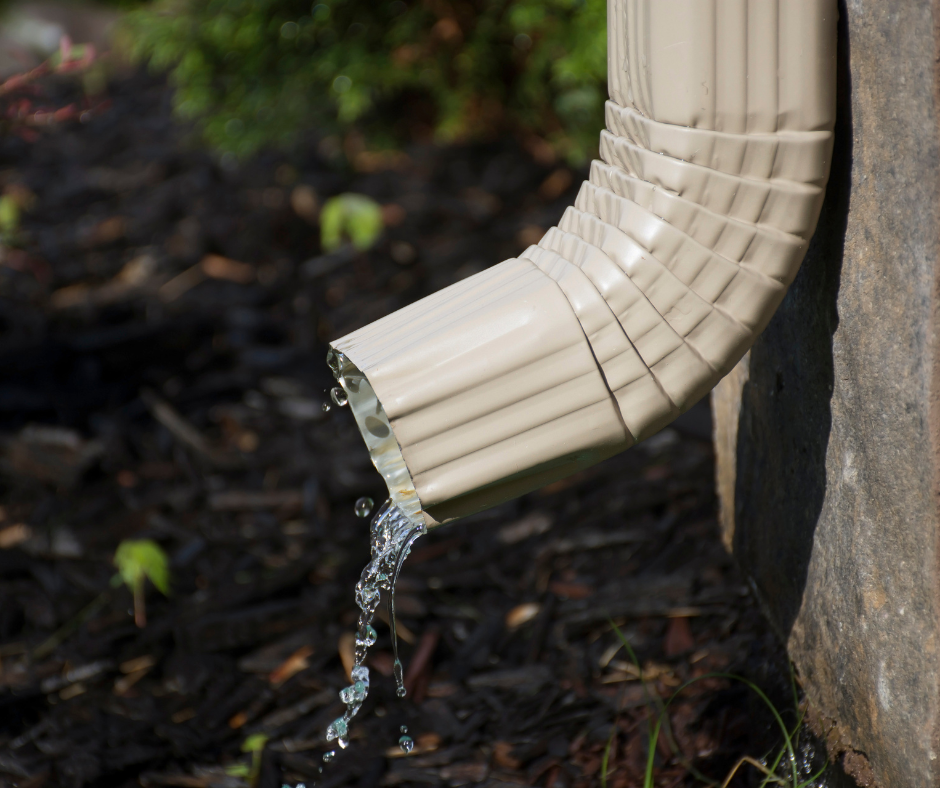
Your gutter system does more than collect rainwater from your roof. It also relies on properly functioning downspouts to safely direct that water away from your home. When downspouts are not draining correctly, water can accumulate around your foundation, damage landscaping, stain exterior surfaces, and create costly structural issues.
Many homeowners focus on cleaning gutters but overlook their downspouts. While gutters collect rainwater, downspouts are responsible for carrying that water safely away from the property. If there is a blockage, improper installation, or drainage issue, your entire gutter system can become less effective.
Understanding the warning signs
Why Proper Downspout Drainage Matters
Florida receives significant rainfall throughout the year, especially during storm season. Without proper drainage, large amounts of water can collect near your home’s foundation.
A properly functioning downspout system helps:
- Protect your home’s foundation
- Prevent soil erosion
- Reduce standing water
- Protect landscaping
- Prevent water intrusion
- Minimize exterior staining
When downspouts fail to move water efficiently, homeowners often notice warning signs around the property long before major damage occurs.
Water Pooling Around the Foundation
One of the most obvious signs of downspout drainage problems is standing water around your home’s foundation after a rainstorm.
When water exits a downspout but is not directed far enough away from the house, it can accumulate near the foundation. Over time, repeated exposure to excess moisture may contribute to foundation settling, cracks, and other structural concerns.
If you notice puddles forming near your home after rainfall, your downspouts may need extensions, drainage improvements, or repairs.
Overflowing Gutters During Rain
Many homeowners assume overflowing gutters automatically indicate clogged gutters. While clogged gutters are a common cause, blocked downspouts can create the same problem.
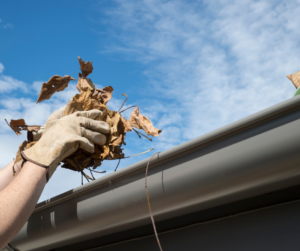
When a downspout becomes clogged with leaves, pine needles, roof granules, or debris, water cannot flow through the system properly. As water backs up inside the gutter, it eventually spills over the edge.
If your gutters appear clean but still overflow during storms, the downspouts should be inspected for blockages.
Soil Erosion Near Downspout Outlets
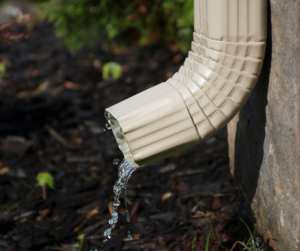
Take a look at the areas directly below your downspouts. If you notice washed-out mulch, exposed roots, or channels carved into the soil, your drainage system may not be directing water effectively.
Heavy rainfall concentrated in one location can quickly erode landscaping and remove valuable topsoil. This is especially common in Southwest Florida where seasonal storms can produce large volumes of rain in a short period.
Proper drainage solutions help distribute water more evenly and protect your landscaping investment.
Water Stains on Siding or Exterior Walls
Downspout drainage issues can sometimes reveal themselves through staining on the home’s exterior.
When water backs up or spills over gutters, it may run down siding, stucco, fascia boards, or exterior walls. Over time, this can leave visible stains and contribute to moisture-related deterioration.
Homeowners who notice discoloration, streaking, or water marks should inspect both gutters and downspouts for drainage issues.
Downspouts Draining Too Slowly
During a rainstorm, observe how water exits your downspouts.
A healthy system should allow water to flow freely and consistently. If water trickles slowly, backs up, or spills from gutter seams before reaching the downspout outlet, there may be a blockage somewhere within the system.
Common causes include:
- Leaves and debris
- Bird nests
- Roof granules
- Dirt accumulation
- Improper downspout pitch
Professional cleaning can often restore proper flow and prevent future issues.
Foundation Cracks and Moisture Problems
While foundation issues can have multiple causes, poor drainage is often a contributing factor.
Water that repeatedly collects around a home’s perimeter can increase moisture levels in surrounding soil. Over time, shifting soil conditions may place stress on the foundation.
Interior warning signs may include:
- Small wall cracks
- Uneven flooring
- Moisture intrusion
- Damp areas near exterior walls
Addressing drainage issues early can help reduce long-term risks.
Landscaping Damage Around Your Home
Your landscaping can provide important clues about drainage performance.
If certain areas of your yard remain soggy long after rain has stopped, downspouts may not be directing water properly. Excess water can damage plants, kill grass, wash away mulch, and create muddy conditions.
Many homeowners invest heavily in landscaping only to discover that improper drainage is causing ongoing problems.
Properly positioned downspouts and drainage extensions can help preserve the beauty of your outdoor spaces.
Mosquito Activity Near Downspouts
Standing water is one of the primary breeding grounds for mosquitoes.
If water collects around downspout outlets or drainage areas after rainfall, it can create ideal conditions for mosquito populations to grow.
This is particularly important in Southwest Florida where warm temperatures and frequent rainfall already contribute to mosquito activity.
Improving drainage helps eliminate standing water and reduces the likelihood of attracting pests around your property.