If you’ve lived in Southwest Florida for more than a year or two, you already know what hurricane season looks like. The forecasts start ramping up in May, the news won’t stop talking about it by July, and by August you’re staring at a cone heading toward the Gulf wondering if this is going to be the one.
Most homeowners think about shutters, generators, and water. Those matter. But your gutters are doing more during a storm than people realize, and a system that wasn’t ready for a Florida hurricane can cause thousands of dollars in damage in just a few hours.
Knowing how to prepare your gutters for hurricane season is one of the easiest ways to protect your home before the worst storms hit. This guide covers what to check, what to fix, and when to call a professional. We’ll keep it practical and focused on what actually matters for Port Charlotte and the surrounding Southwest Florida area.
Why Gutters Matter So Much During a Hurricane
Gutters do one job: move water away from your house. During a regular Florida thunderstorm, this is important. During a hurricane, it’s critical.
A typical hurricane can dump 6 to 12 inches of rain in just a few hours. Your roof catches most of that water, and your gutters are the only thing routing it away from your foundation, walls, and windows. When gutters fail during a storm, water has nowhere to go but down — soaking into your foundation, getting under your siding, pooling against your home, and finding its way into places it shouldn’t be.
The damage from a single failed gutter system during a hurricane can include:
- Foundation cracks from water saturation
- Soffit and fascia rot
- Water intrusion into walls and ceilings
- Landscape erosion around the house
- Mold growth in the weeks after the storm
The worst part is that most of this damage doesn’t show up immediately. You might not notice the problem until weeks or months after the storm, when the cleanup money is long spent and insurance won’t cover it. That’s exactly why knowing how to prepare your gutters for hurricane season matters so much in Florida.
When to Start Preparing
Start your gutter prep in April or early May, before the official hurricane season begins. According to the National Hurricane Center, Florida’s hurricane season runs from June 1 to November 30, with peak activity typically from August through October. Starting early gives you time to schedule any repairs, replacements, or professional cleanings before the rush. Once the first major storm gets named, every gutter and roofing company in Florida is booked solid.
If you’re reading this in the middle of hurricane season, do what you can today. Even a quick inspection and basic cleaning can make a real difference. Most homeowners who learn how to prepare their gutters for hurricane season early end up saving thousands in storm damage repairs.
How to Prepare Your Gutters for Hurricane Season: Step-by-Step
Here’s exactly how to prepare your gutters for hurricane season the right way, in the order it should be done.
1. Clean out everything
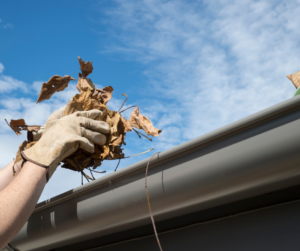
Start with a full cleanout. Florida palms, oaks, and pine trees drop a constant supply of debris that builds up faster than people realize. If you haven’t cleaned your gutters in over six months, there’s almost certainly a problem.
Look for:
- Leaves and pine needles
- Small branches and twigs
- Roof grit washed down from shingles
- Bird and squirrel nests
- Standing water (a bad sign — means water isn’t flowing)
Clogged gutters during a hurricane don’t just overflow. They get heavy. A gutter full of wet debris can pull away from the fascia under its own weight, especially when high winds are working on it from the outside.
2. Check for sagging or pulling away
Walk around your house and look up at the gutters from a few angles. Are they sagging in the middle? Pulling away from the fascia board? Tilting at the wrong angle?
These are signs the hangers (the brackets holding gutters in place) have weakened, and high winds will rip them loose. Gutters that come down during a storm can damage roofing, windows, AC units, and anything below them.
3. Inspect the seams and corners
Sectional gutters (the kind with multiple pieces joined together) are notorious for leaking at seams during heavy rain. Check every joint and corner for:
- Visible gaps
- Adding…
- Old caulk that’s cracked or pulled away
- Stains on the gutter or fascia below
This is one of the biggest reasons most Florida homes upgrade to seamless gutters — there are no seams to fail. If you have sectional gutters and they’re showing their age, hurricane season is the best time to consider an upgrade.
4. Test the downspouts
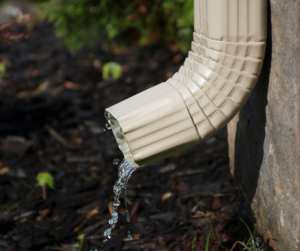
Run a hose into your gutters and watch where the water goes. It should flow smoothly through the downspout and exit at least 3 to 4 feet away from your foundation.
Common downspout problems:
- Clogs from debris stuck inside
- Disconnected sections at the elbow
- Downspouts dumping water right next to the foundation
- Missing extensions that should carry water away
If water pools near your house during the test, it’s going to pool ten times worse during
5. Trim back nearby trees
Branches hanging over your roof and gutters are a hurricane’s best friend. They drop more debris during the storm, and high winds can break entire limbs that punch through gutters, fascia, and roofing on the way down.
Trim back any branches within 6 to 10 feet of your roof line. Do this well before storm season — tree services get booked just like gutter companies.
6. Consider gutter guards or screens
If you’re tired of cleaning your gutters every few months, this is the year to look at gutter guards or screening. They keep the bulk of debris out, reduce clog risk, and significantly cut down on hurricane prep work in future years.
Quality gutter guards aren’t a substitute for inspection, but they make the whole system much more reliable when storms hit.
7. Get a professional inspection if it's been a while
If your gutters are more than 10 years old, haven’t been inspected since a previous hurricane, or you’re not sure what to look for, get a professional out before the season starts. A 30-minute inspection can catch problems you’d never notice from the ground — loose hangers, hidden seam leaks, fascia rot starting behind the gutter, and improperly pitched sections.
Most reputable companies (including ours) will inspect for free.
What to Do RIGHT Before a Storm Hits
When a hurricane is in the cone and your area is in the path:
- Do a final visual inspection of the gutters
- Clear any debris that’s accumulated since your last cleaning
- Make sure downspouts are connected and pointing away from the house
- Tie down or remove any loose patio furniture, pots, or lawn items that could blow into your gutters and damage them
- Take photos of your gutter system for insurance purposes
For broader storm preparation tips beyond gutters, the Florida Division of Emergency Management provides comprehensive guidance for homeowners.
After the storm passes and it’s safe to be outside, inspect the gutters again. Catching post-storm damage early — before the next rain — can prevent a lot of cascade problems.
Why Florida Gutters Need to Be Tougher
Standard gutter systems built for milder climates don’t hold up well in Florida. Between the heavy rains, the salt air on the coast, the constant UV exposure, and hurricane-force winds, gutters here need to be:
- Made from quality aluminum (the right gauge for the climate)
- Installed with hidden hangers spaced closer together than standard
- Properly pitched for fast drainage during heavy rain events
- Sealed correctly at every joint and corner
- Sized appropriately for the roof area they’re protecting
This is one of the biggest reasons we don’t use shortcuts on installations. After 35+ years of installing gutters across Charlotte County, we’ve seen exactly what fails during hurricanes and what holds up. Florida is different. Your gutters need to be too.
When to Call Applegarth Seamless Gutters
If your inspection turns up problems, or if you’re just not sure where to start, that’s where we come in. At Applegarth Seamless Gutters, we’ve been installing and maintaining storm-ready gutter systems across Port Charlotte, Punta Gorda, North Port, Englewood, and the rest of Southwest Florida for over 35 years.
We install custom seamless aluminum gutters fabricated on-site for a perfect fit, backed by a 20-year material warranty and 5-year workmanship warranty. Every job is done by our in-house team — never subcontractors.
If you want a free inspection before hurricane season, just give us a call. We’ll walk your property, check your existing system, and let you know exactly where you stand.
Call us at (941) 627-5533
Or request a free quote online
Don’t wait for the cone to point at your house. Get your gutters ready now.
Frequently Asked Questions
When is hurricane season in Florida?
Florida’s official hurricane season runs from June 1 to November 30. The peak months are typically August through October. Most gutter prep should be done by late May to be safe.
Can hurricane winds tear off gutters?
Yes. Gutters that aren’t properly secured, are sagging, or are weighed down by debris can be torn off by hurricane-force winds. Even properly installed gutters can fail if they’re not maintained, which is why pre-season inspection matters.
Do I need to clean my gutters before every hurricane?
Ideally yes, especially if it’s been more than a few weeks since your last cleaning. Clogged gutters are the #1 cause of storm-related water damage. Even if you have gutter guards, a quick visual check before a major storm is smart.
Are seamless gutters better for hurricanes than sectional gutters?
Generally yes. Sectional gutters have multiple seams that can leak or fail under stress. Seamless gutters are made from a single piece of aluminum custom-fitted to your home, with no joints to weaken. They handle hurricane conditions much better.
Will insurance cover gutter damage from a hurricane?
It depends on your policy and the cause of damage. Many policies cover gutter damage from named storms, but not damage from neglect or poor maintenance. Take photos of your gutters before storm season — having documentation makes claims much easier.